
Myodural Bridge and the Nervous System
Craniocervical Trauma, Posture and Chronic Symptoms from a Functional Neurology Perspective
Head and neck trauma, posture and chronic symptoms explained through a functional neurology approach
Persistent neck pain, chronic headaches, occipital neuralgia, dizziness, somatosensory tinnitus, postural imbalance, fatigue and difficulty relaxing are often treated as separate or unexplained conditions.
Modern anatomical research and functional neurology highlight the myodural bridge as a key anatomical and functional connection between craniocervical biomechanics, dural tension and nervous system regulation.
Understanding this connection is especially relevant in chronic, recurrent or complex cases.
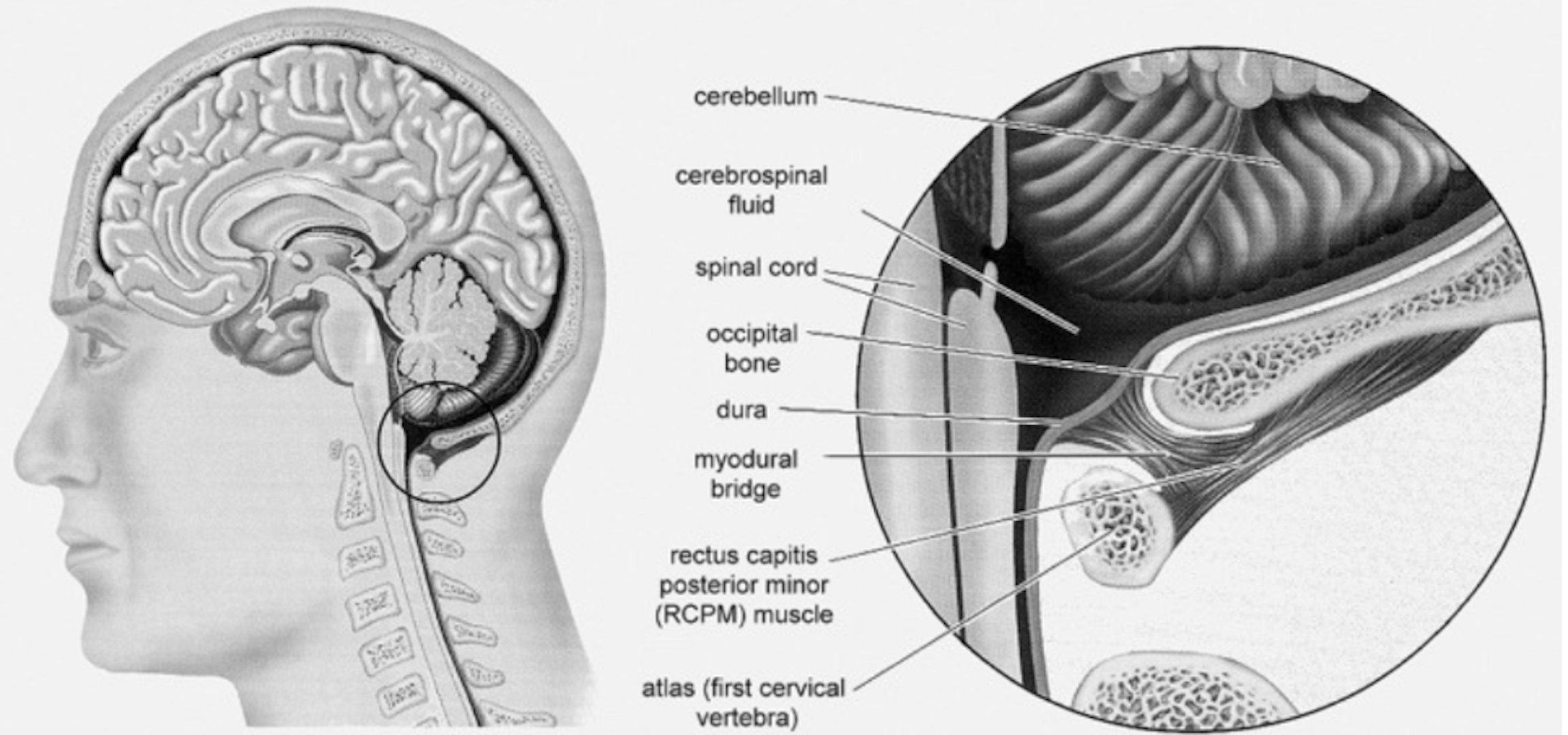
What Is the Myodural Bridge?
The myodural bridge is a real anatomical structure described in peer-reviewed anatomical and histological studies.
It consists of connective tissue fibers that directly connect the deep suboccipital muscles to the cervical dura mater, the protective membrane surrounding the spinal cord.
This anatomical continuity creates a direct interface between:
- deep cervical muscle tone
- cervical biomechanics
- dural tension
- central nervous system function
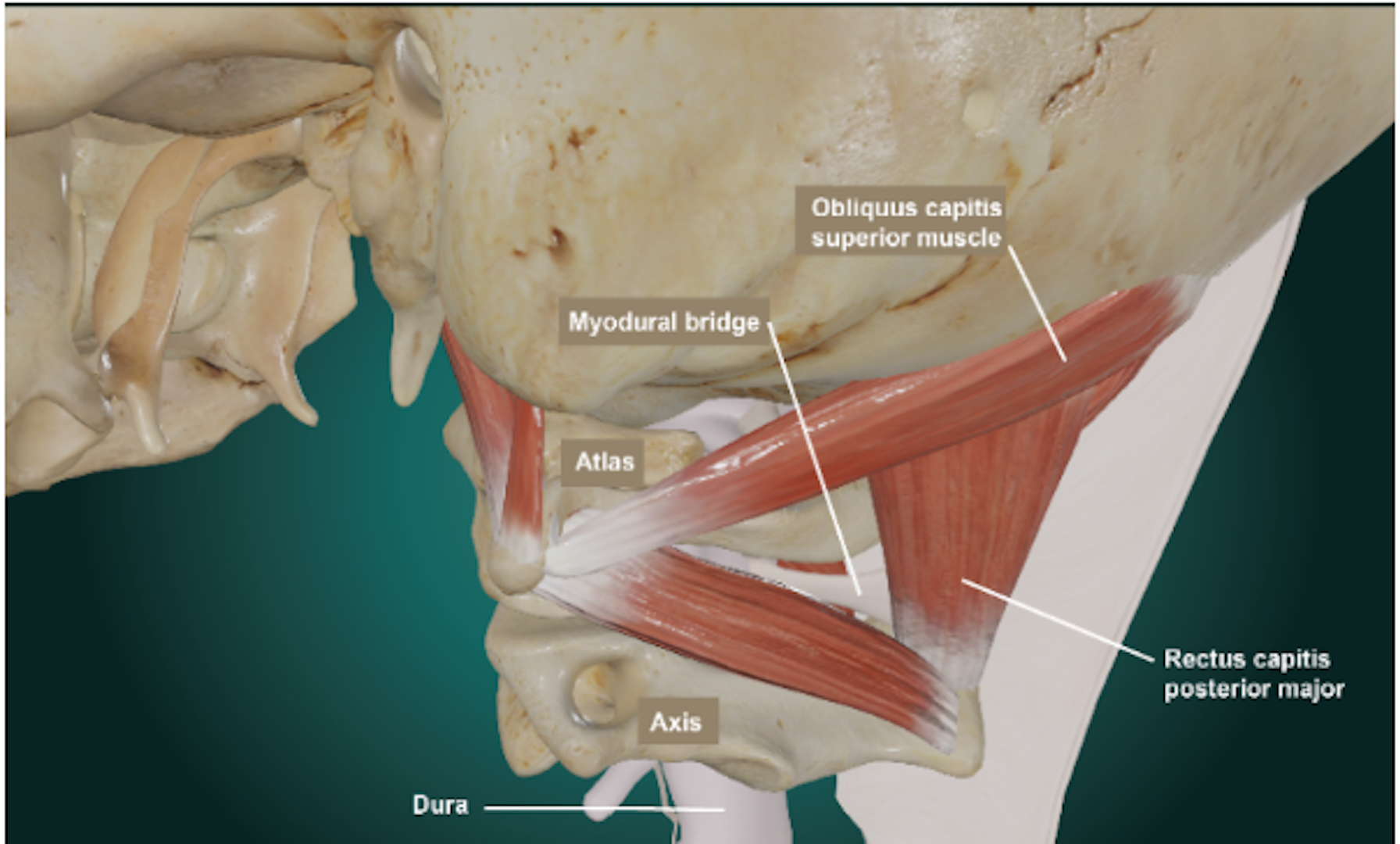
Physiological Role of the Myodural Bridge
Under normal conditions, the myodural bridge may contribute to:
- modulation of dural tension during head and neck movement
- craniocervical stability
- neuromotor integration
- healthy cerebrospinal fluid (CSF) dynamics
When this system is altered, tension may become persistent and maladaptive.
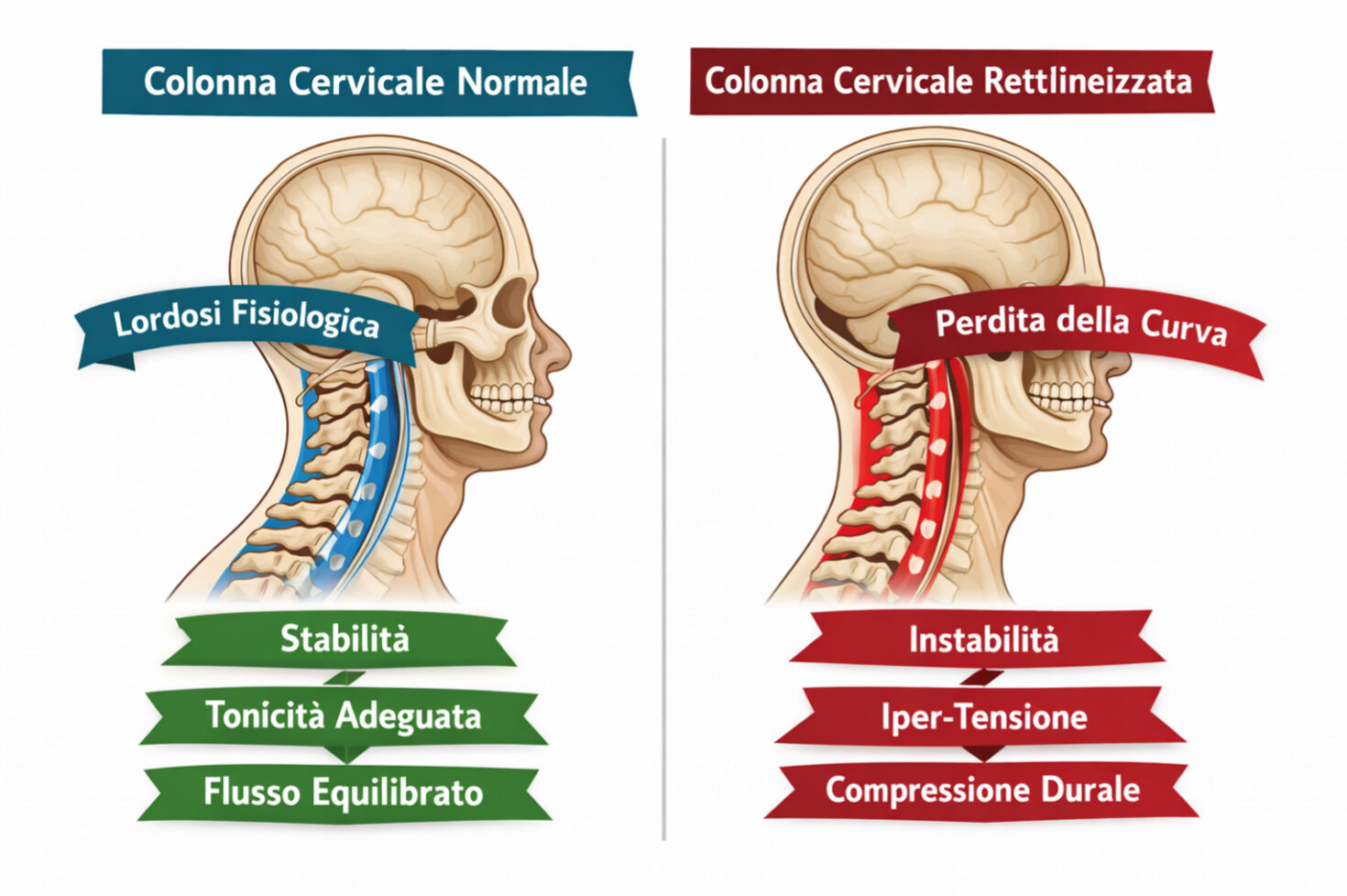
Head Trauma, Whiplash and Cervical Straightening
Head trauma (even mild or subclinical) and whiplash injuries are commonly associated with:
- concussive or sub-concussive effects
- loss of normal cervical lordosis
- functional craniocervical instability
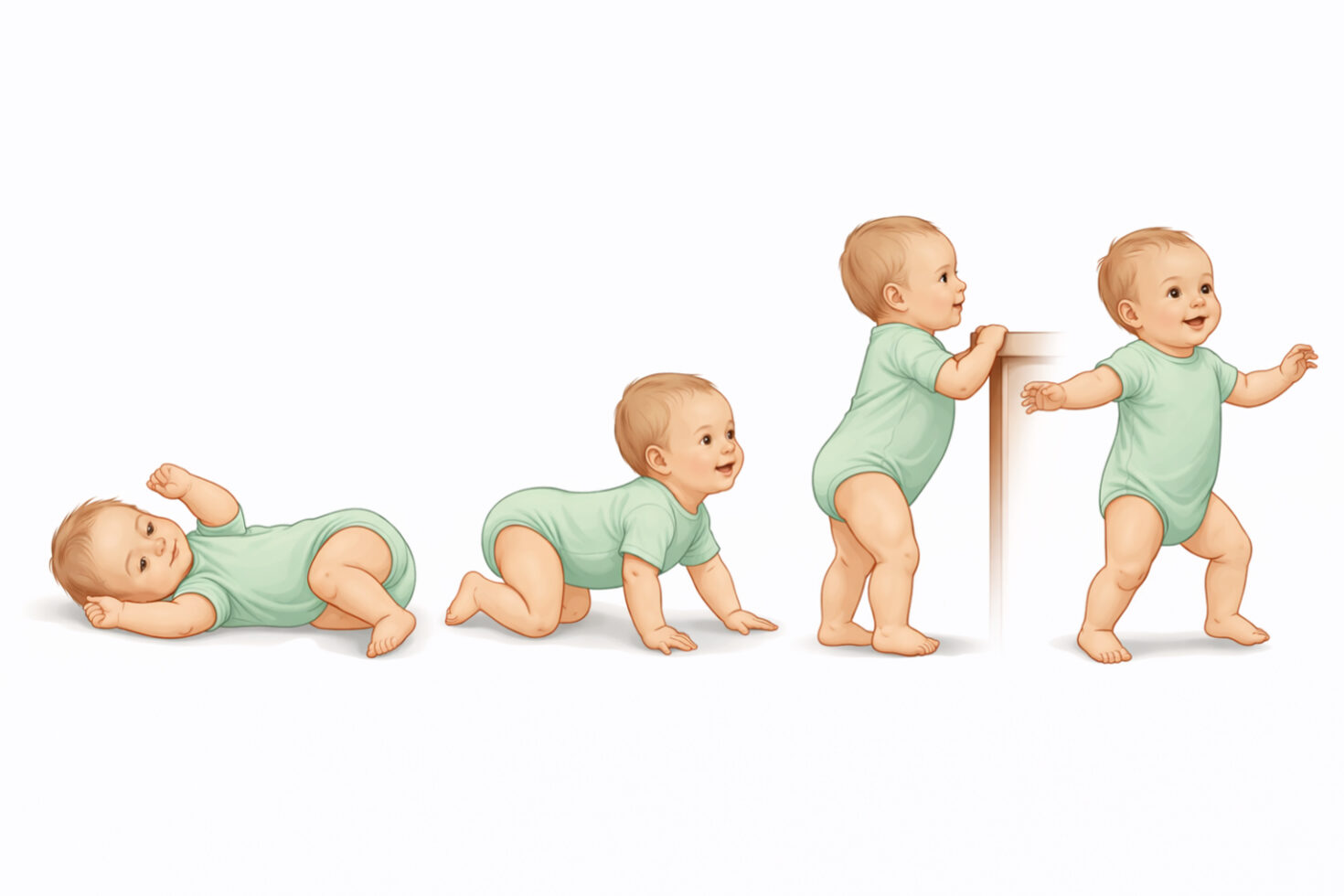
Early Trauma, Motor Development and Body Memory
Why many patients do not recall trauma
In many cases, trauma occurs early in life, before autobiographical memory is fully developed.
During the first 2–3 years of life, sensorimotor development involves frequent falls, balance challenges and postural stress.
Birth itself — especially difficult delivery or cesarean section — represents a significant mechanical event for the craniocervical system.
Even without conscious memory, these events may leave functional traces affecting:
- cervical curvature
- deep suboccipital tone
- dural tension
- autonomic nervous system regulation
As a protective response, deep cervical muscles may develop chronic hypertonicity.
Through the myodural bridge, this muscular tension can be transmitted directly to the dura mater, contributing to chronic dural tension.
Dura Mater, Vagus Nerve and Autonomic Regulation
The dura mater is highly innervated and mechanically sensitive.
Chronic dural tension may influence:
- vagal function
- sympathetic–parasympathetic balance
- the nervous system’s ability to adapt and self-regulate
This often manifests as persistent sympathetic dominance with reduced vagal modulation.
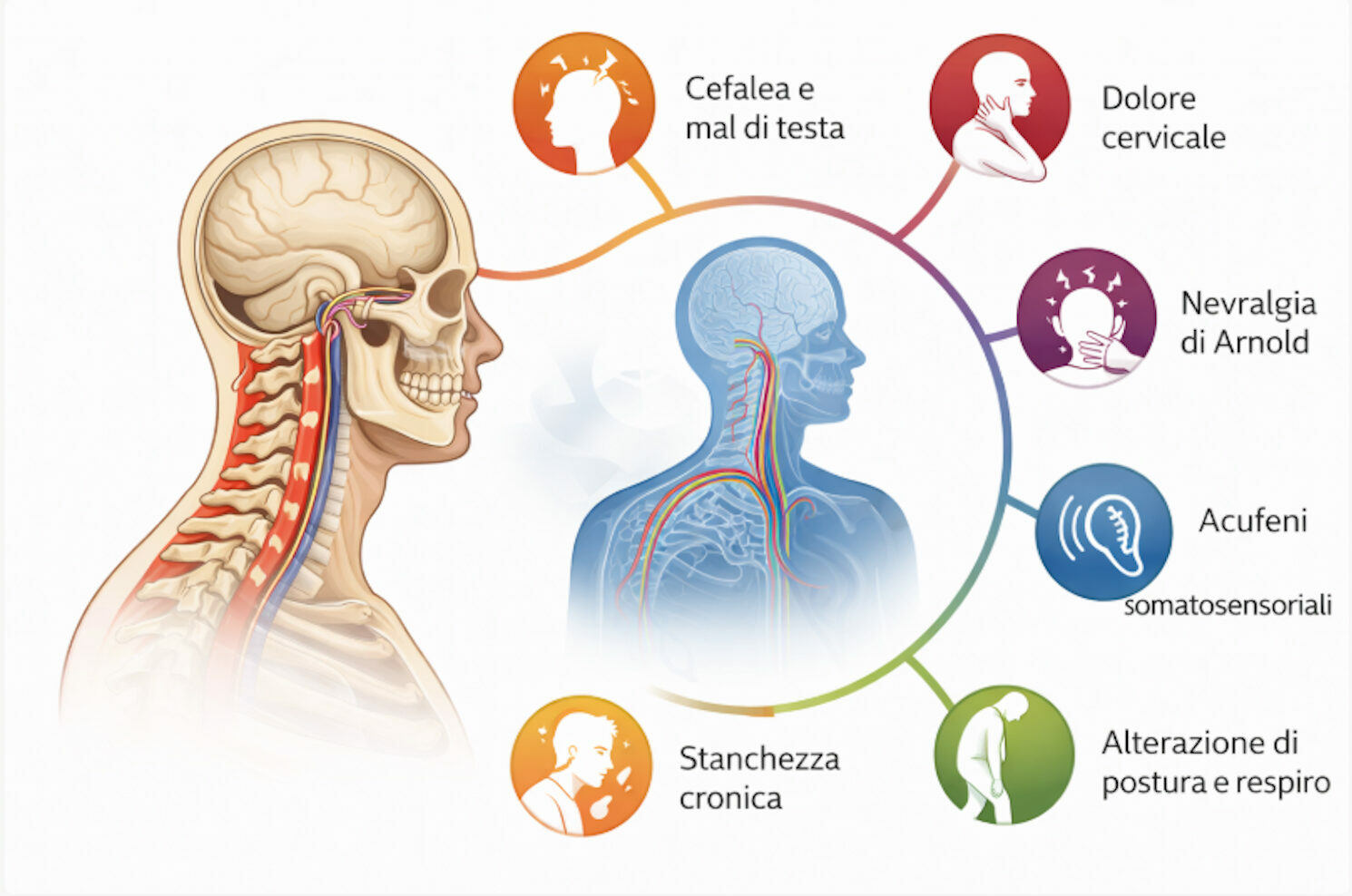
Symptoms Potentially Associated with Myodural Bridge Dysfunction
This functional pattern may contribute to:
- cervicogenic headaches and chronic head pain
- persistent neck pain and stiffness
- occipital neuralgia (Arnold’s neuralgia)
- dizziness and balance disturbances
- somatosensory tinnitus (modulated by neck or jaw movement)
- postural imbalance and shallow breathing
- chronic fatigue and difficulty relaxing
Our Approach: Functional Neurology and Integrated Clinical Care
At Milano Chiropratica – Studio Mazzini, every clinical pathway begins with functional neurology testing, designed to identify traumatic imprints and adaptive nervous system changes — even when imaging appears normal or trauma is not consciously recalled.
Functional testing may evaluate:
- central and peripheral neurological integration
- autonomic nervous system regulation
- neuromotor and postural control
- adaptive capacity of the nervous system
Care is non-invasive, individualized and clinically guided.
Why a Single Approach Is Often Not Enough
In complex and chronic cases, a single modality is rarely sufficient.
Symptoms often involve multiple interacting layers:
- neurological
- biomechanical
- emotional and stress-related
- metabolic and inflammatory
- postural
For this reason, our model may integrate — when clinically indicated:
- chiropractic with a functional neurology focus
- psychological support (including EMDR)
- metabolic nutrition
- orthopedic evaluation
- clinical posturology
- physiotherapy
- custom orthotics when appropriate
Online Clinical Consultation
If you would like to better understand your case before visiting the clinic, you may book an online clinical consultation to:
- review your medical history and reports
- analyze symptom patterns
- determine whether in-person care is appropriate
- clarify next clinical steps
Book your appointment
Book your appointment at Milano Chiropratica – Studio Mazzini.
We will help you regain movement, strength and freedom from pain in a natural, lasting way, in line with the principles of active longevity.
Scientific References (PubMed – Peer-Reviewed)
- Hack GD et al. Spine. 1995 – Anatomic relation between suboccipital muscles and dura mater.
- Scali F et al. Spine. 2011 – Myodural bridge and vertebrodural ligaments.
- Zhang J et al. PLoS One. 2014 – Myodural bridge in the human cervical spine.
- Pontell ME et al. Clinical Anatomy. 2013 – Myodural bridge, headache and neck pain.
- Bogduk N. Curr Pain Headache Rep – Cervicogenic headache mechanisms.
- Choi I, Jeon SR. J Korean Med Sci – Occipital neuralgia.
- Levine RA. Am J Otolaryngol – Somatosensory tinnitus.
- Michiels S et al. Prog Brain Res – Somatosensory tinnitus subtype.
- Humphreys BK, Peterson CK. JMPT – Whiplash and neuromuscular control.
- Haavik H, Murphy B. J Neural Plasticity – Spinal function and autonomic regulation.
- Porges SW. Front Integr Neurosci – Polyvagal theory.
“Il nostro obiettivo non è trattare un sintomo, ma aiutare il sistema nervoso a ritrovare adattabilità, equilibrio e capacità di regolazione quando questi sono stati compromessi da un trauma, spesso molto prima che i sintomi si manifestino.”
Reservations
To book an appointment at our Milan office:
Phone: +39 02 89.40.49.90
WhatsApp: +39 393 81.04.359
Email: segreteria@studiomazzinisrl.it
Online consultation
If you live outside Milan, you can book your consultation online.